General information. This guide follows the questions in the order they usually come up. It is not a substitute for checking the standards for your own lot with the council or a certifier, and in Victoria with a registered building surveyor.
1Seven checks, in order
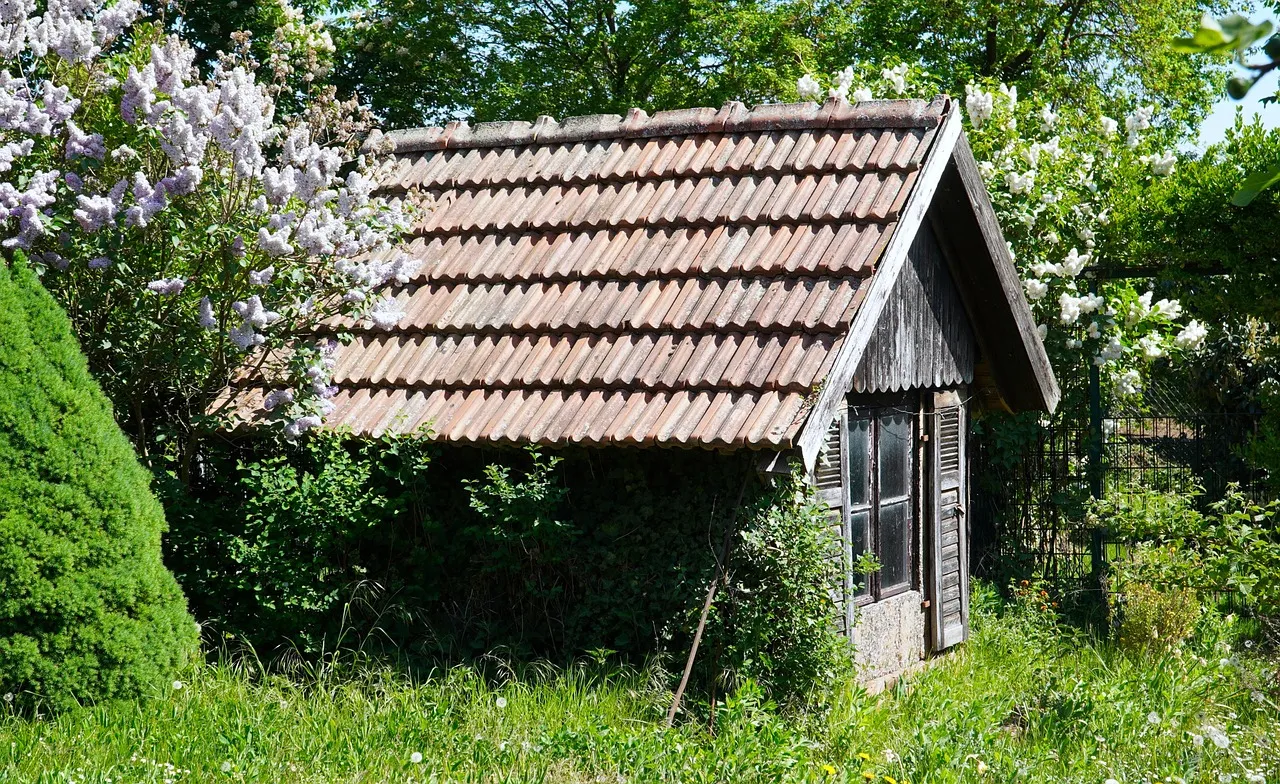
Each check can end the list early: a shed that fails the exempt test can usually move to a certificate, though not on land that holds a listed heritage item, and in a building built before 1987 demolished under a certificate, any asbestos must be handled and removed by a licensed contractor.
-
Could it be built today without approval?
The NSW test for exempt demolition looks at the structure being removed: if a deck or a shed meets the criteria to be built as exempt development, it can also be demolished as exempt development. For sheds, the building standards are in clauses 2.17 and 2.18 of the state policy, and sheds are class 10a buildings, which the department describes as non-habitable.
Exempt demolition must still follow Australian Standard 2601-2001, The Demolition of Structures, and comply with the Work Health and Safety Regulation. It cannot be carried out on land that holds a State Heritage Register item, or one under an interim heritage order. The state policy itself also rules out exempt demolition on or in any heritage item or heritage conservation area, draft ones included, and bars a complying development certificate on land that holds a heritage item listed in a planning instrument.
-
If not, a complying development certificate
The NSW Demolition Code lets a dwelling, attached and detached development including garages, swimming pools and industrial buildings be demolished as complying development, provided they meet its standards. The certificate carries conditions, listed in the department’s Demolition of buildings fact sheet.
-
In Victoria, size first
The Building and Plumbing Commission lists some garden sheds with a floor area under 10 square metres among the possible exemptions from a building permit, alongside some minor alterations or demolitions. It suggests asking the council or a building surveyor to confirm.
-
Is a wall on the boundary?
Garages are often built close to a fence line. Under clause 7.2(2) of the NSW Demolition Code for complying development, if a wall on the neighbouring lot stands within 900 mm of the boundary, a professional engineer’s report must go with the certificate application and the work must follow the support method it sets out; any exposed shared wall must be weatherproofed.
-
How old is it, and what is it made of?
The national agency lists fencing, carports, garages, outhouses and garden sheds among the places outside a home where asbestos may be found. It says a home built or renovated before 1990 might contain asbestos, and that if you are unsure, you can have a sample tested by an asbestos professional or treat the material as if it contains asbestos. For buildings built before 1987, the NSW Planning Portal says asbestos must be handled and removed by a licensed contractor under a complying development certificate for demolition.
The national Asbestos and Silica Safety and Eradication Agency says it is “not recommended that you handle or remove asbestos yourself”, though each state this guide covers sets its own limits: in NSW, the state government says a home owner may take out less than 10 square metres of non-friable material themselves, without a licence, and must take the same strict safety steps as a professional removalist, while more than that, or any friable material, needs a licensed removalist, and so does removal under a demolition certificate for a building from before 1987 (above). In Victoria, the Better Health Channel says householders may legally do the removal on their own property and must follow strict precautions. In Queensland, the state government says a home owner may remove 10 square metres or less of non-friable material without a certificate and must still take safety precautions; the national agency adds that more than that needs training first, and friable material a removalist holding a Class A licence. It also says a professional makes the job easier and safer, and often cheaper too. It explains that under environmental protection laws, asbestos waste “must be disposed of” at a landfill licensed to accept it, and putting it in a domestic rubbish bin can bring a fine.
Breathing in asbestos fibres is what makes asbestos dangerous, the national agency explains: once inhaled, airborne fibres can lodge in the lungs, where they may cause life-threatening illness, such as asbestosis, lung cancer or mesothelioma. For NSW, the state’s asbestos website limits the disposal of asbestos waste to landfills licensed to accept it. In Victoria, EPA Victoria says asbestos waste must be taken to a landfill authorised to receive it, and must not be put in general, recycling or green waste bins. In Queensland, the state’s government asbestos site says asbestos waste must go to a landfill site that can lawfully take it.
The agency also says asbestos materials, asbestos cement roofs among them, are never to be cleaned with high-pressure water, nor by scrubbing, sanding or another abrasive process. Queensland’s government asbestos site tells homeowners in that state not to drill holes in asbestos materials, and not to saw, sand or scrape them.
-
Is there power or water to it?
A complying development certificate for demolition needs every essential service disconnected as the relevant authority requires, and the application must say how. Queensland’s definition of electrical work includes removing electrical equipment, so taking out a shed’s lights, power points or switchboard is work for a licensed electrician there. In NSW, any electrical installation work must by law be done by a licensed electrician.
-
The slab and what is under it
Breaking out a slab or footings means digging. Before You Dig Australia offers homeowners a free enquiry that returns plans from the owners of underground networks at the site. It notes those plans are indicative only, may not show detail inside the property boundary, and that a skilled locator can help find services on private land.
2The paperwork to keep
Whatever path the job takes, a few papers are worth keeping with the house records: the certificate or the note of why none was needed, any engineer’s or dilapidation report, any paperwork from an asbestos removal, and the electrician’s paperwork for any disconnection.