General information. Whether a particular wall can come out, and with what approval, depends on the house, the land and the state. A council, a private certifier (NSW) or a registered building surveyor (Victoria) can say for yours.
1The approval question, in two states
The two states frame the question differently. NSW starts from a list of work that may be fast-tracked; Victoria starts from a permit for everything and then lists what may be exempt.
| Question | New South Wales | Victoria |
|---|---|---|
| Starting point | Some internal alterations to an existing home may be complying development: new openings, doors and changes to the internal floor layout. | A building permit is needed for all building work unless an exemption exists under the Regulations. |
| Where the easy path stops | Not complying development if the work changes the building’s classification under the Building Code of Australia, creates an additional separate dwelling or an additional floor, or builds or converts a basement for residential use. | Possible exemptions include some minor alterations or demolitions; which ones apply is set by the Regulations. |
| Who can say for your house | A council or a private certifier, who can grant a complying development certificate. | The local council, or a registered building surveyor, through whom any permit is applied for. |
In NSW, taking out a wall falls outside the exempt code. Minor internal alterations can be exempt, but only if they do not change how a room is configured, “whether by removal of an existing wall, partition or other means”, and do not affect the load-bearing capacity of the building (clauses 2.51 and 2.52 of the state policy).
That leaves complying development under the Housing Alterations Code, or a development application. The Code covers internal alterations to existing homes, provided the work does not change the building’s class, add a separate dwelling or add a floor. It also must not change the number of bedrooms, although that one limit does not apply to a class 1a building under the Building Code of Australia (clauses 4.1 and 4.2).
All of these standards are in the State Environmental Planning Policy (Exempt and Complying Development Codes) 2008, which the Planning Portal links from its home renovation page.
2Heritage conservation areas
Heritage rules narrow what can be done without a full application. Under the NSW Demolition Code, a house in a heritage conservation area, or a draft one, can still have its internal walls and other internal elements demolished as complying development.
Exempt development cannot be carried out on land that holds an item on the State Heritage Register, or one under an interim heritage order. If a house is listed, the conversation starts with the council.
3What holds it up
The first thing to establish about any wall is whether it carries part of the floor, ceiling or roof above it, because that decides what has to replace it.
One of the development standards of the NSW Demolition Code for complying development (clause 7.2(2)) covers walls near a boundary: if a wall on the neighbouring lot stands within 900 mm of the boundary, a professional engineer’s report must go with the certificate application and the work must follow the support method it sets out; any exposed shared wall must be weatherproofed.
Questions worth taking to whoever approves the work:
- Does this wall carry any part of the roof, ceiling or floor above?
- If it does, what replaces it, and who documents that?
- Can it be done as complying development, or does it need a development application (NSW) or a building permit (Victoria)?
- What has to be disconnected or moved before the wall is opened?
4What runs inside the frame
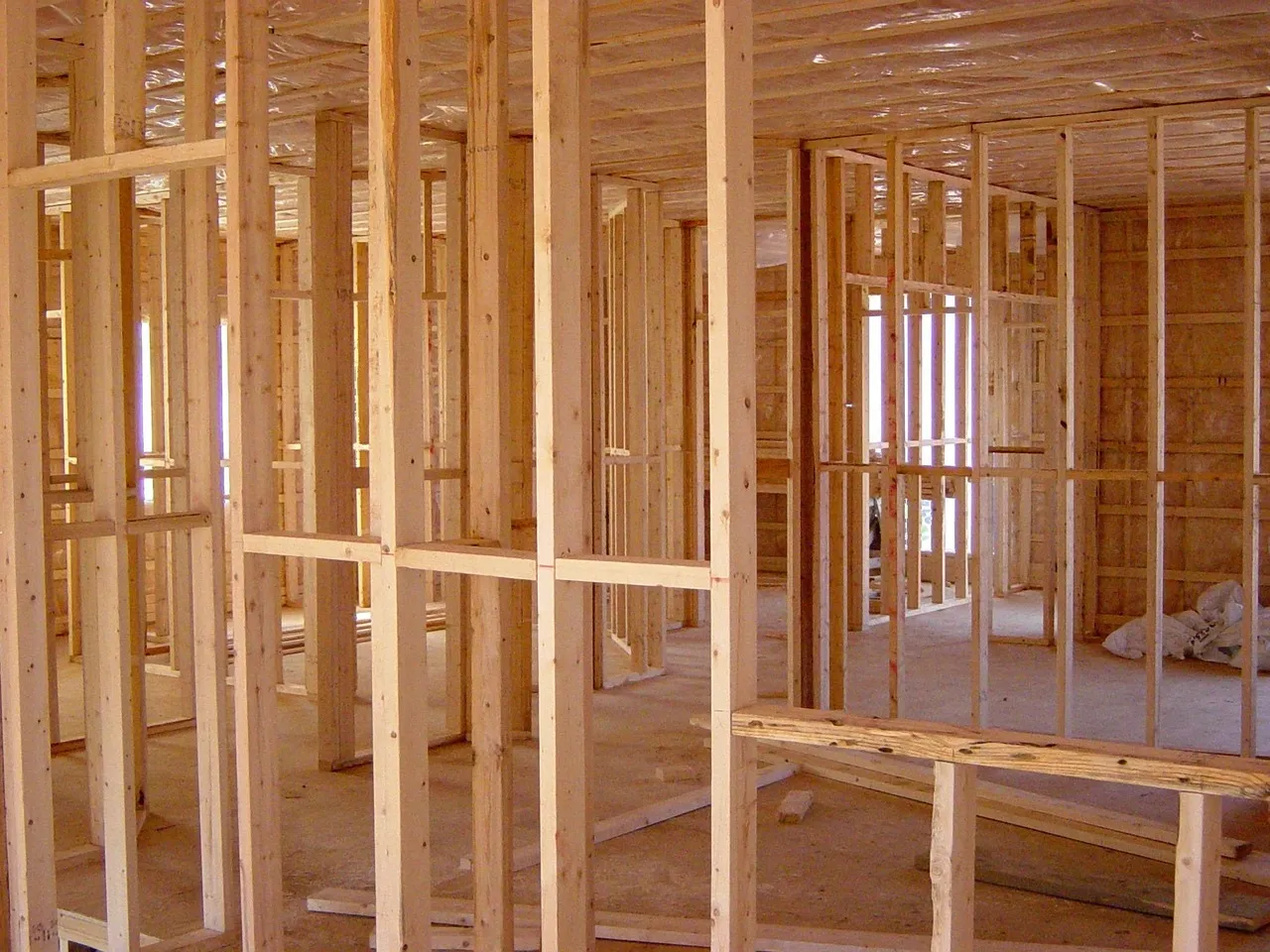
Once the plaster is off, the cavity is open. These are the things the official sources warn about.
- Cables. Queensland’s Electrical Safety Office says the risk of damaging or touching wiring inside wall cavities must be considered and controlled. NSW Fair Trading adds that older wiring can turn brittle and should not be handled.
- Power points and switches. Moving an existing power point is electrical work in Queensland’s definition, and a licensed electrician has to do it.
- Lead dust. The NSW EPA lists demolishing or repairing walls, and replacing or maintaining plumbing in cavities, among the jobs that can create or disturb lead dust. Paint on houses built before 1970 may be lead-based.
- Gas. In NSW, only licensed gasfitters can do repairs or renovations involving gas.
- Asbestos. A home built or renovated before 1990 might contain asbestos.
The national Asbestos and Silica Safety and Eradication Agency says it is “not recommended that you handle or remove asbestos yourself”, though each state this guide covers sets its own limits: in NSW, the state government says a home owner may take out less than 10 square metres of non-friable material themselves, without a licence, and must take the same strict safety steps as a professional removalist, while more than that, or any friable material, needs a licensed removalist. In Victoria, the Better Health Channel says householders may legally do the removal on their own property and must follow strict precautions. In Queensland, the state government says a home owner may remove 10 square metres or less of non-friable material without a certificate and must still take safety precautions; the national agency adds that more than that needs training first, and friable material a removalist holding a Class A licence. It also says a professional makes the job easier and safer, and often cheaper too. It explains that under environmental protection laws, asbestos waste “must be disposed of” at a landfill licensed to accept it, and putting it in a domestic rubbish bin can bring a fine.
5Who does the work
In NSW, residential building work worth more than $5,000 including GST in labour and materials needs a licensed contractor, and specialist work needs a licence at any price (as at October 2026).
An owner who does or supervises the work on their own home needs an owner-builder permit when the work is worth more than $10,000, needs a development application or complying development certificate, and no licensed builder has been contracted to supervise it. The permit does not cover specialist work such as electrical, plumbing or gasfitting unless the owner holds that licence (as at October 2026).